Explore the Enduring Charm of Men's Fedora Hats
Men's fedora hats have long been regarded as a hallmark of class and distinction. Their iconic design delivers flexibility, making them suitable for various occasions. As style preferences continue to shift, the fedora remains a compelling presence across both classic and contemporary settings. Exploring its lasting allure can illuminate its role in today's wardrobes. What qualities make the fedora a perennially stylish choice? The result could astound those who value enduring elegance.
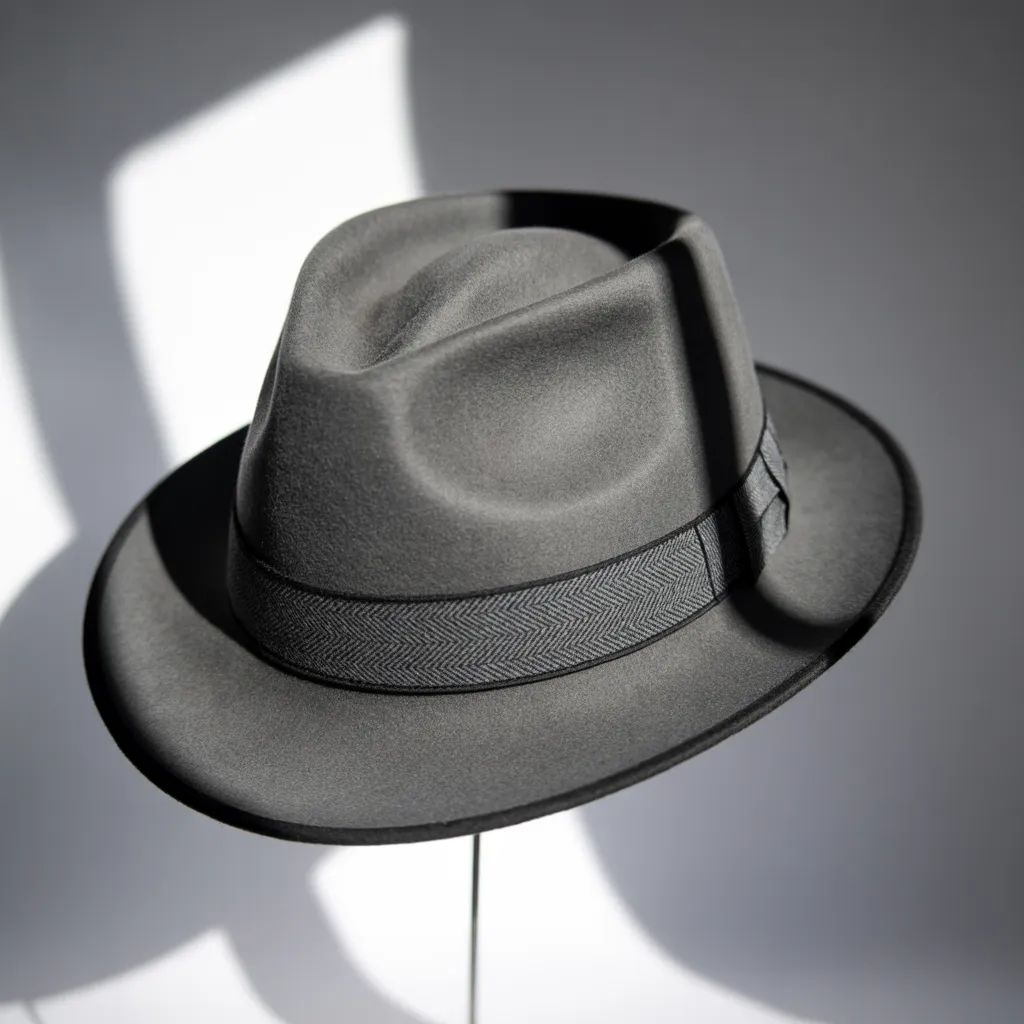
Selecting the Perfect Fedora for Your Look
When choosing the right fedora, how does a person figure out which style best complements their wardrobe? The answer rests in understanding the interplay between personal style and the complete outfit ensemble. A fedora's silhouette, texture, and tone should complement current wardrobe selections. For instance, a traditional wool fedora would pair well with a structured suit, while a straw version could enhance a casual summer ensemble.
Consideration of face shape is also vital; a broader brim helps to soften sharp facial angles, while a slimmer brim tends to highlight those angles. Furthermore, the nature of the occasion carries considerable weight. Formal events often call for darker, richer colors, while softer tones and prints tend to work better in casual environments. Ultimately, a well-chosen fedora goes beyond being a mere accessory and becomes a defining piece of an ensemble, showcasing the individuality and character of the person wearing it.
Browse Legendary Fedora Styles: From Heritage to Contemporary
Fedora hats have always been an emblem of elegance and refinement, featuring an extensive array of designs that appeal to a range of tastes and settings. The timeless fedora, defined by its flexible brim and creased crown, embodies an enduring refinement, often associated with iconic figures from the mid-20th century. Its felt material lends an air of formality, making it a staple for formal events.
In contrast, current approaches have unveiled groundbreaking materials and concepts, appealing to a present-day audience. Straw-woven fedoras, for instance, provide a featherlight choice ideal for seasonal adventures, while bold colors and patterns enable self-expression. Additionally, features such as broader brims and distinctive accents have emerged, delivering an contemporary interpretation of the classic silhouette. No matter if one leans toward the traditional or the modern, the fedora hat remains a adaptable wardrobe piece that effortlessly enhances any wardrobe.
Wearing Your Fedora with Confidence: Essential Tips
How does one enhance their look with a fedora? The secret is knowing how to pair this timeless accessory with different outfits. A fedora works beautifully for both casual and formal occasions, making it an incredibly versatile option. To project self-assurance, one should select a fedora that suits their face shape and individual taste. Matching it with structured attire, such as a blazer or a sharp button-up, can produce a sophisticated look, while denim and a basic tee can deliver a more easygoing aesthetic.
Accessories are important too; a pocket square or elegant watch can finish the look. How the fedora is worn also affects its overall impression—wearing it at a slight angle can create a sense of elegance. Ultimately, confidence comes from wearing the hat with pride, making it a defining piece that showcases personal style. Adopting the fedora can elevate not only an ensemble, but also the wearer's confidence.
Caring for Your Fedora Hat: Maintenance and Storage Tips
Looking after a fedora hat is crucial to maintain its appearance and durability. Consistent cleaning practices, appropriate storage methods, and understanding of harmful factors are critical for preserving its quality. By adhering to these care guidelines, hat owners can be confident their fedoras stay in great shape for a long time to come.
Routine Cleaning Practices
Preserving the pristine look of a fedora hat requires routine cleaning methods that safeguard its material and form. First, a soft-bristle brush is essential for clearing dust and residue from the exterior of the hat. Light circular strokes can assist in maintaining the textile's durability. For spots, a slightly wet cloth with light soap should be applied, being careful not to drench the fabric. It is recommended to try any cleaning product on a discreet, small spot first. Moreover, regular professional maintenance can assist in preserving the hat's durability and life expectancy. Routinely inspecting for frayed edges or worn sections will allow for timely repairs, ensuring the fedora remains a fashionable piece for years to come.
Correct Storage Methods
Appropriate storage methods are vital to preserving the shape and condition of a men's fedora hat. To preserve its structure, the hat should be kept in a cool, dry location, far from direct sunlight to prevent fading and warping. Employing a hat box or designated shelf can eliminate excess pressure on the brim and crown. During storage, setting the hat upside down on a level surface helps it maintain its form. Refrain from hanging the fedora, since doing so may compromise its structure. Regularly checking for dust accumulation and cleaning it gently with a soft brush will further guarantee longevity. Implementing these habits will keep the fedora in pristine, fashionable condition for many years to come.
Eliminating Damage Factors
A carefully tended fedora hat can last for years, but several factors can lead to damage if not managed. Exposure to moisture and extreme temperatures can alter the hat's structure and weaken the material. Prolonged sun exposure can lead to discoloration, while improper handling can lead to creases or dents. Moreover, contact with dust and dirt can compromise the fabric's integrity, requiring regular cleaning sessions. To minimize these hazards, it is crucial to store the fedora in a cool, dry place, shielded from direct sunlight. Consistently cleaning the hat with a gentle brush and storing it in a dedicated hatbox can greatly extend its lifespan. By taking these precautions, hat enthusiasts can maintain the elegance and condition of their cherished fedora.
The Lasting Legacy of Fedora Hats
The iconic fedora hat, a symbol of timeless elegance and sophistication, boasts a rich history that dates back to the late 19th century. Originally introduced in 1889, it rose to prominence following its appearance in the theatrical production "Fédora" by Victorien Sardou, featuring an elegantly dressed female character who wore it prominently. Originally designed as a women's fashion piece, the fedora shifted to men's fashion by the early 20th century, cementing its place as a symbol of well-dressed men and city sophisticates.
During the 1920s and 1930s, the fedora emerged as a fixture in men's wardrobe, often linked to Hollywood icons, gangsters, and detectives. Its construction, featuring a soft brim and a creased crown, delivered both aesthetic appeal and practical utility. Across the years, the fedora has witnessed many reinventions, yet its classic appeal remains undiminished. This enduring history solidifies the fedora's place as an enduring fashion staple, transcending fashion trends and cultural shifts.
How Fedora Hats Are Staging a Comeback Today
Recently, a noticeable resurgence in the appeal of fedora hats has enthralled influencers and fashion enthusiasts alike. This timeless style piece, once synonymous with classic mid-century style, is being revitalized in modern fashion. Designers are incorporating fedoras into their collections, presenting them across various materials and colors, rendering them suitable for both everyday and formal settings.
Social media platforms, notably copyright and TikTok, have played a significant role explore article in this revival. Influencers are often seen pairing fedoras with modern outfits, highlighting their flexibility and classic allure. Well-known figures have likewise welcomed this fashion, reinforcing the fedora's position as a stylish must-have accessory.
Because of this, men are increasingly opting for fedoras to demonstrate their unique character, merging timeless style with modern fashion sensibilities. This renewed interest underscores the hat's timeless charm, proving that the fedora continues to be an essential accessory in the dynamic and shifting realm of male fashion.
Frequently Asked Questions
Is It Okay for Women to Wear Men's Fedora Hats?
Certainly, women can sport men's fedora hats. Style knows no gender boundaries, allowing individuals to express their style. Numerous women admire the timeless look and versatility of men's fedoras, weaving them into their one-of-a-kind ensembles.
What Are the Best Materials for Fedora Hats?
Fedoras are commonly made from natural materials such as wool, felt, straw, or cashmere. Wool and felt offer warmth and structural integrity, while straw ensures superior airflow and breathability. Cashmere adds luxury, making it ideal for those who desire both elegance and comfort in their headwear.
How Should I Measure My Head for a Fedora?
To find the correct head size for a fedora, employ a pliable measuring tape around the forehead, just above the ears, and just above the occipital bone at the back. Write down the measurement in inches or centimeters to determine your size.
Do Fedora Hats Work Well for Formal Occasions?
Fedora hats are certainly appropriate for formal events, providing an elegant touch to attire. Their stylish design complements various outfits, making them an ideal option for occasions spanning from weddings to prestigious events.
How Does a Fedora Differ From a Trilby?
The main distinction between a fedora and a trilby can be found in their brims; fedoras feature a wider, softer brim, while trilbys have a narrower, angled brim, lending them a more fashionable, up-to-date aesthetic.